Brewed espresso shots last 3-7 days in the fridge when stored in an airtight container. For the best flavor, drink them within 1-2 days. After that, the espresso is still safe, but oxidation flattens it out. The bright, complex notes you pulled from the shot are gone. How long your espresso actually holds up depends on whether you added milk, what container you used, and where in the fridge you put it.
↳ may contain affiliate links — disclosure
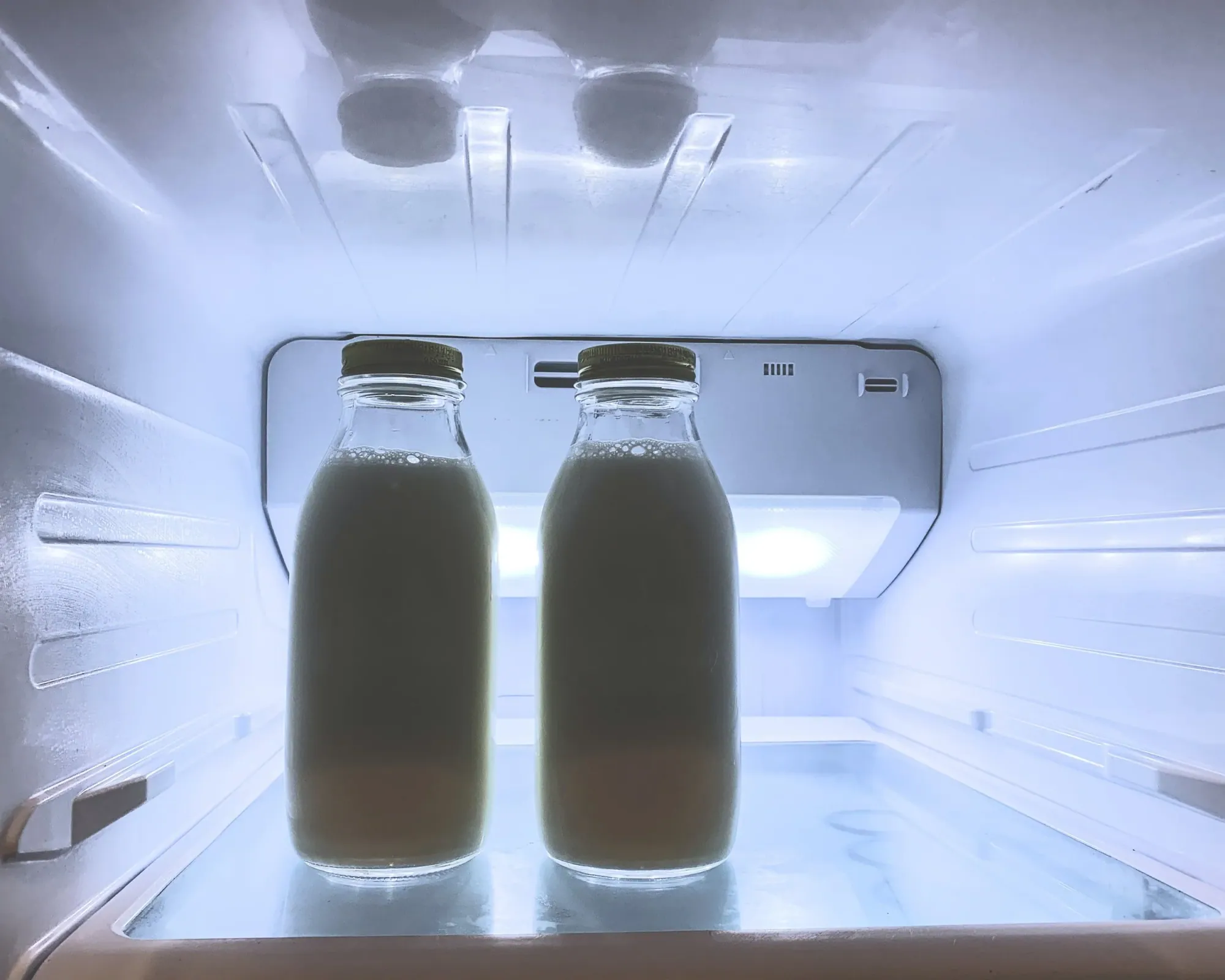
If you brew espresso at home regularly, you’ve had the moment. You pull a great shot but can’t drink it right away. Maybe you pulled a double and only needed a single, or you’re batch-prepping shots for iced drinks later in the week.
So how long does espresso actually last? And is it worth saving?
How long does a shot of espresso last at room temperature?
A brewed espresso shot starts losing its best qualities within 30-60 seconds of extraction. The crema dissipates, volatile aromatics evaporate, and oxidation goes to work on the oils that give espresso its body and sweetness.
Baristas in specialty shops won’t let a shot sit. In the home barista community, some follow a strict 10-second rule for how long a shot can sit before temperature loss and oxidation start doing real damage. That’s aggressive, but it tells you how fast espresso changes once it leaves the machine.
At room temperature, espresso is safe to drink for about 4-6 hours. After that, bacterial growth becomes a concern, especially if the shot has milk or sweetener in it.
The flavor window is much shorter. After about 10-15 minutes at room temperature, most people notice the shot tasting flat or stale compared to a fresh pull. Espresso is meant to be consumed immediately.
If you know you won’t drink your shot within a few minutes, get it into the fridge. Refrigerating right away preserves significantly more flavor than letting it sit on the counter.
What is the shelf life of brewed espresso in the fridge?
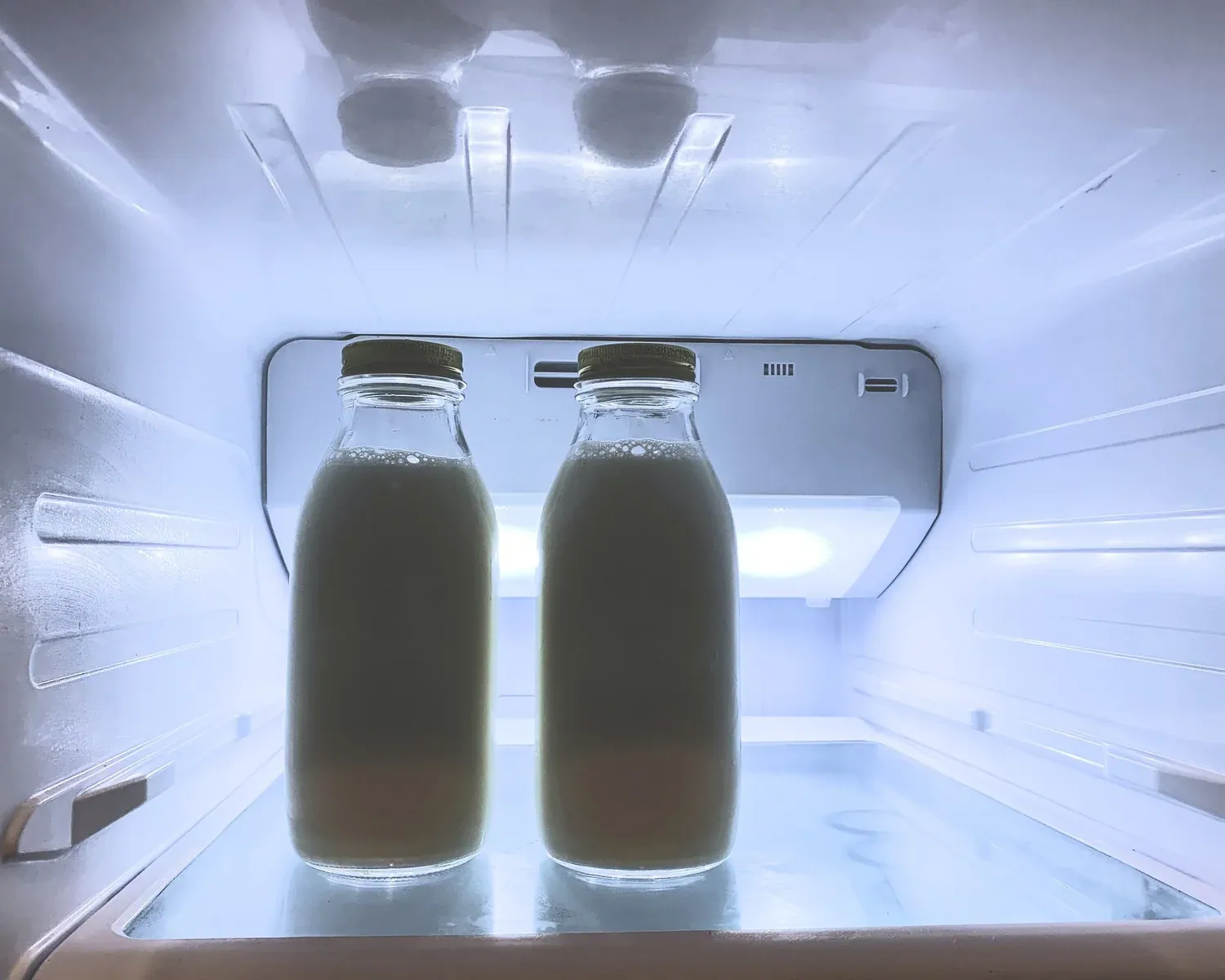
Plain espresso shots stored in an airtight container last 3-7 days in the fridge. The cold slows oxidation and bacterial growth, buying you time that room temperature storage can’t.
On days 1-2, the espresso tastes close to fresh. You’ll notice less crema and some dulled aromatics, but the body and sweetness-to-bitterness balance holds up well. This is the sweet spot for iced espresso drinks.
By days 3-5, degradation becomes noticeable. The shot tastes flatter and more bitter. Still perfectly fine for lattes, iced drinks, or recipes where you’re adding milk and sweetener.
Days 6-7, the espresso is safe but tastes stale. Use it in cooking, baking, or blended drinks where other flavors dominate.
After a week, discard the shots and brew fresh.
Does espresso go bad in the fridge?
Espresso doesn’t spoil the way milk does. It won’t curdle or develop a foul smell on day two. But the flavor does degrade steadily through oxidation and the breakdown of aromatic compounds. Refrigerated espresso that’s past its window tends to taste very bitter and acidic with lingering ashy notes, nothing like the shot you pulled.
Signs your refrigerated espresso has turned:
- A sour, musty, or vinegar-like smell (not the normal bitterness of cold espresso)
- Visible mold or film on the surface
- Slimy texture, usually from a container that wasn’t clean or sealed properly
- If a rewarmed shot shows zero crema and tastes flat, the coffee has oxidized past the point of being worth drinking on its own
If the espresso looks and smells normal, it’s safe. If anything seems off, toss it.
Can you put espresso in the fridge overnight?
Overnight fridge storage is one of the best use cases for refrigerated shots. The flavor loss over 8-12 hours is minimal compared to what happens over several days.
If you’re prepping espresso the night before for a morning iced latte or iced americano, this works well. Pull your shots, let them cool for a few minutes, transfer to an airtight container, and refrigerate. In the morning, you’ll have cold espresso ready to pour over ice without the dilution that comes from pouring hot shots directly onto ice.
It’s also a practical approach if you want espresso-based drinks during the workweek without pulling shots every morning.
Can you keep espresso in the fridge for iced coffee?
Refrigerated espresso is great for iced drinks, and this is actually standard practice in busy coffee shops. Many cafes brew a batch of espresso in the morning and refrigerate it specifically for iced drink orders throughout the day. It’s a workflow, not a shortcut.
Milk mutes the bitterness that develops in cooled espresso, making a refrigerated-espresso latte nearly indistinguishable from one made with a fresh pull. If you’re adding milk, sweetener, or both, the flavor difference between fresh and day-old espresso shrinks a lot.
Pre-chilled espresso gives you less dilution (the espresso is already cold, so ice melts slower), more consistent flavor (no temperature shock), and the convenience of pulling multiple shots at once and using them over the course of a day or week.
One technique worth trying: mix your espresso with milk before adding ice. Dropping a hot shot straight over ice melts it instantly, waters down the drink, and can make the espresso taste harsh. Pre-mix, then add ice one cube at a time, stirring between each. Keeps the drink more concentrated and balanced.
If iced drinks are your main use case, batch-brew 4-6 shots at a time and refrigerate. Use the shots within 2-3 days for the best results.
Factors that impact espresso freshness
A few things determine whether your refrigerated espresso lasts closer to 3 days or 7.
Type of espresso drink
Plain espresso shots last the longest. The more you add to the shot before storing, the shorter the shelf life:
- Straight espresso: 3-7 days
- Espresso with sugar: 3-5 days (sugar is relatively stable)
- Espresso with milk: 1-2 days (milk spoilage is the limiting factor)
- Espresso with flavored syrups: 2-4 days (varies by syrup)
If you plan to store espresso for more than a day, keep it plain and add milk or sweeteners when you’re ready to drink.
Storage container choice
The container matters more than most people think. A loosely covered mug or an open cup in the fridge exposes the espresso to oxygen and absorbs fridge odors.
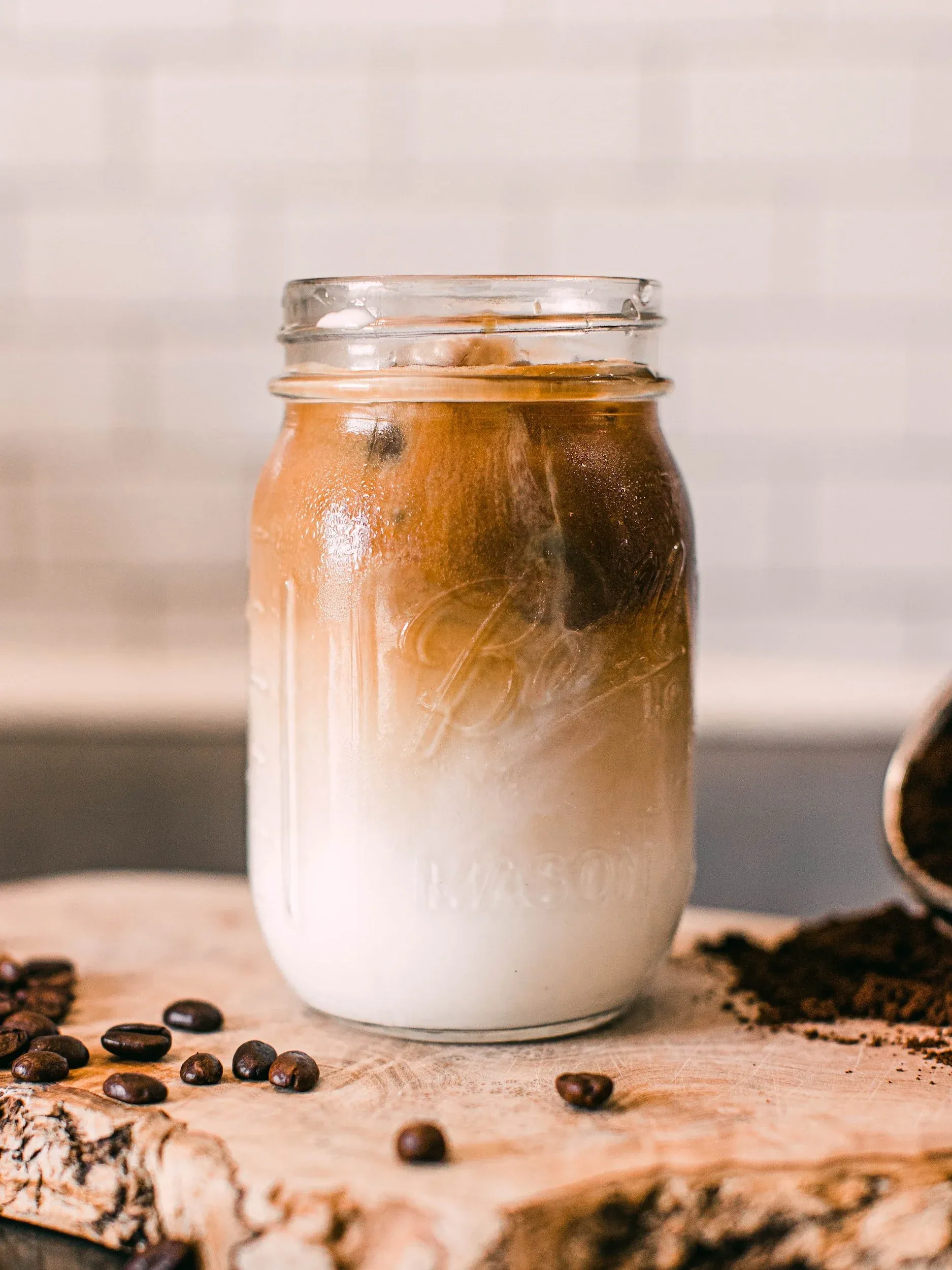
Use glass containers with tight seals. Glass is nonreactive, doesn’t absorb flavors, and seals better than most plastic. Small mason jars work well for single or double shots.
Additives like milk and sweeteners
Milk is the biggest wildcard. It has its own shelf life (typically about a week after opening), and when mixed with espresso, it introduces proteins and fats that bacteria feed on more readily than black coffee.
Sugar is more stable and can actually slow bacterial growth slightly. Honey and flavored syrups contain moisture that encourages bacterial growth, so they fall somewhere in between.
Artificial sweeteners like aspartame and saccharin are the most stable additives and barely affect shelf life.
The rule of thumb: store espresso black, add everything else when you’re ready to drink.
Best practices for storing espresso in the fridge
Use an airtight glass container
Glass jars with tight-fitting lids prevent oxidation and keep fridge odors out. Fill the container as close to the top as you can. Less air space means less oxidation.
Cool the shots before refrigerating
Let espresso cool for 5-10 minutes at room temperature before sealing and refrigerating. Putting a sealed container of hot espresso in the fridge creates condensation inside the container, which dilutes the shots and speeds up flavor loss.
If you’re in a hurry, try brewing your espresso into a small metal pitcher and setting it in an ice bath. The metal conducts heat fast, chilling the espresso in a couple of minutes without the dilution you’d get from pouring directly over ice.
Store in the coldest part of the fridge
The back or bottom shelf stays the coldest and holds the most consistent temperature. Avoid the door, where temperature swings every time you open the fridge.
Label your container
If you batch-prep shots regularly, mark the date on the container. It’s easy to lose track of when you brewed, and guessing leads to either wasting good espresso or drinking stale shots.
Can you freeze brewed espresso?
Freezing extends the shelf life of brewed espresso to 2-3 months, but there are trade-offs.
The freezing process mutes flavors and aromas. As water in the espresso expands and crystallizes, it disrupts the oils and dissolved solids that give espresso its body and complexity. Thawed espresso tastes noticeably different from fresh: flatter, less aromatic, sometimes weirdly concentrated.
Frozen espresso works best in iced drinks (frozen espresso cubes keep iced lattes from getting watered down), baking (tiramisu, espresso brownies, coffee-flavored glazes), and smoothies or blended drinks where the espresso flavor is one element among many.
To freeze, pour cooled espresso into ice cube trays, freeze until solid, then transfer the cubes to a freezer bag. Each cube is roughly one shot, so you can grab what you need.
A variation that’s caught on in the home barista community: freeze milk in a separate tray alongside your espresso cubes. When you’re ready for an iced latte, combine espresso cubes and milk cubes in a glass and pour fresh milk over them. As both sets of cubes melt, the drink stays cold and gets stronger instead of more diluted. The opposite of what happens with regular ice.
Summary
Espresso is at its best within minutes of brewing, but proper storage gives you flexibility when you need it.
- Room temperature: safe for 4-6 hours, best flavor within 10-15 minutes
- Refrigerated in an airtight container: 3-7 days, best flavor within 1-2 days
- Frozen: 2-3 months, best for iced drinks, baking, or blended beverages
For the best results, use an airtight glass container, store it in the coldest part of the fridge, and try to drink it within 1-2 days. Keep the espresso black in storage and add milk and sweeteners when you’re ready to drink. If you want espresso that lasts months, freeze it in ice cube trays.
Frequently asked questions
How long does brewed espresso last in the fridge?
3-7 days in an airtight container. For the best flavor, drink it within 1-2 days. After that, the shot is still safe but tastes increasingly flat and bitter from oxidation.
How long does an espresso shot last at room temperature?
An espresso shot is safe to drink for about 4-6 hours at room temperature, but the flavor starts dropping off within 10-15 minutes. If you won’t drink it within a few minutes, refrigerate it.
Can you put espresso in the fridge overnight for iced coffee?
Yes, and it works well. Pull your shots, cool them briefly, seal in an airtight container, and refrigerate. In the morning you’ll have cold espresso ready for iced lattes or iced americanos with minimal dilution.
Does espresso go bad in the fridge?
It doesn’t spoil like milk, but it does degrade. The flavor flattens through oxidation, losing the bright and complex notes first. Stored properly in a sealed container, it stays safe to drink for about a week. Toss it if you notice an off smell, visible mold, or slimy texture.
Can I freeze brewed espresso to make it last longer?
Yes. Frozen espresso lasts 2-3 months. Pour cooled shots into ice cube trays, freeze solid, and transfer to a freezer bag. Frozen espresso works best in iced drinks, baking, and smoothies. On its own, the flavor and aroma are noticeably muted.
Does adding milk or sweeteners affect how long refrigerated espresso lasts?
Yes. Plain espresso lasts 3-7 days. Adding milk drops the window to 1-2 days because milk spoils faster. Sugar is relatively stable, but honey and flavored syrups introduce moisture that encourages bacterial growth. Store espresso black and add extras when you’re ready to drink.
Can I reheat refrigerated espresso?
You can, but you probably won’t like it. The community consensus on this is strong: reheated espresso gets bitter, chalky, and hard to swallow. Reheating amplifies bitter compounds and drives off any remaining aromatic complexity. If you want a hot espresso drink, pull a fresh shot. Refrigerated espresso is better used cold, in iced drinks or recipes.